A ceiling stain may seem minor at first, but for homeowners across Lecanto, Crystal River, and Ocala, it often signals that water has already found a way inside. With Florida’s heavy summer storms, long winter rain events, and wind-driven moisture off the Gulf, interior water damage is something most homes in Citrus and Marion County will face at some point.
What makes ceiling stains challenging is that the spot you see indoors is rarely the exact point where water entered. Moisture tends to travel along rafters, insulation, and drywall before becoming visible. By understanding what these stains mean and how to identify related issues early, homeowners can address problems before they escalate.
This guide outlines the key warning signs, common causes, and local conditions that contribute to roof leaks in Central Florida.
–
Why Ceiling Stains Are a Bigger Concern in Central Florida
Homes in this region face weather patterns that accelerate roof wear and moisture intrusion:
- Intense summer thunderstorms that drop heavy rain quickly
- Prolonged rainfall from winter cold fronts
- Wind-driven rain that forces moisture beneath shingles and flashing
- Tropical systems that saturate roofing systems for hours or days
- High humidity slows drying and increases the impact of even small leaks
Neighborhoods filled with oak and pine trees—common in Lecanto, Homosassa, and Crystal River—also experience frequent gutter buildup. When drainage is blocked, rainwater can be pushed back beneath shingles and into the home.
In this environment, ceiling stains are rarely isolated events. They reflect a pathway where moisture is entering and should be taken seriously.
–
1. Recognize the Interior Warning Signs
Interior symptoms often appear before exterior damage is obvious. Homeowners in Lecanto, Ocala, Hernando, and Inverness frequently notice:
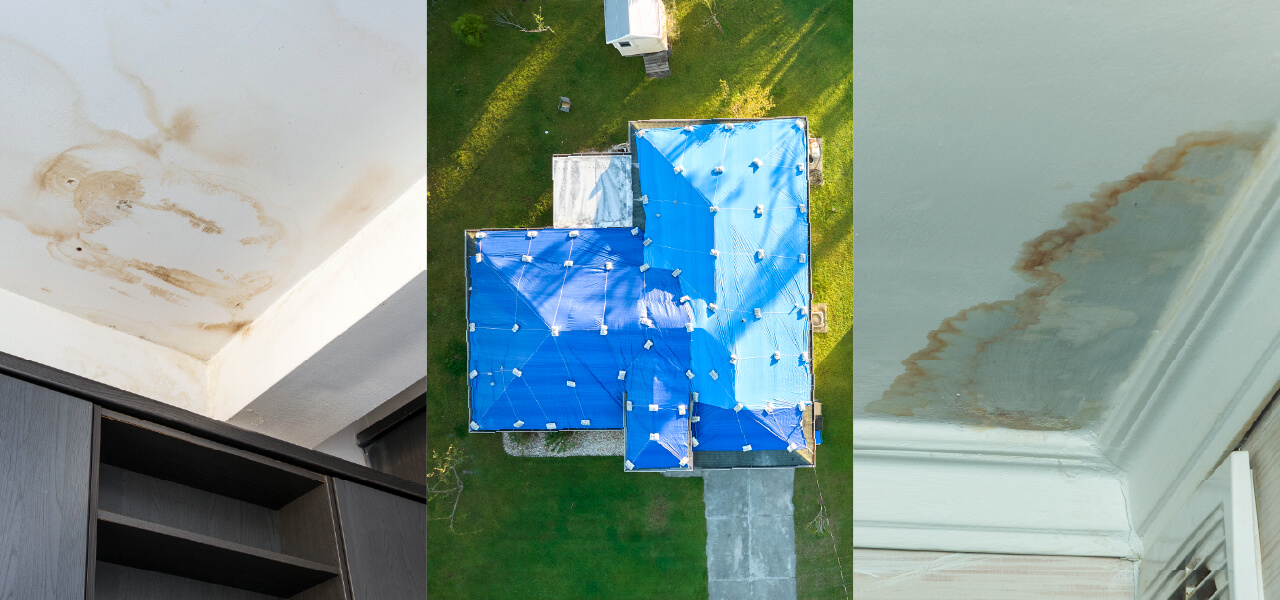
Ceiling Stains or Yellow/Brown Rings
These often appear after extended rainfall or multiple storms, indicating ongoing moisture exposure.
Soft or Sagging Drywall
Saturated insulation—common in single-story Florida homes—can weigh down ceilings and cause noticeable sagging or softness.
Peeling Paint or Bubbling Texture
When moisture collects behind drywall, the surface may begin to separate or bubble.
Persistent Dampness After Rain
If a room feels damp or humid following a storm, moisture may be accumulating in ceiling materials or attic spaces.
Water Tracking Down Walls
Wind-driven rain can push moisture sideways, causing stains on walls instead of ceilings. This is common in homes that face the west or southwest, where storms typically approach.
If any of these signs appear, it’s important to identify the cause before the next round of storms.
–
2. How to Trace the Source of a Leak
Finding where water entered the roof can be difficult, especially in Florida’s climate. Homeowners can safely look for early clues while avoiding potentially hazardous roof access.
Check the Attic for Visible Indicators
Using a flashlight, look for damp insulation, watermarks on rafters, or areas where moisture appears to have pooled or dripped. These patterns often help narrow down the leak source.
Match Stain Development to Recent Weather
Local weather plays a major role in determining the cause of a leak:
- Short, intense downpours often expose single penetration points.
- All-day rainfall suggests an underlayment or aging roof issue.
- Wind-driven rain typically indicates flashing or shingle lift.
- Tropical systems may reveal widespread moisture entry.
Inspect Common Leak Points (From the Ground)
Florida roofs often leak around:
- Roof vents and plumbing stacks
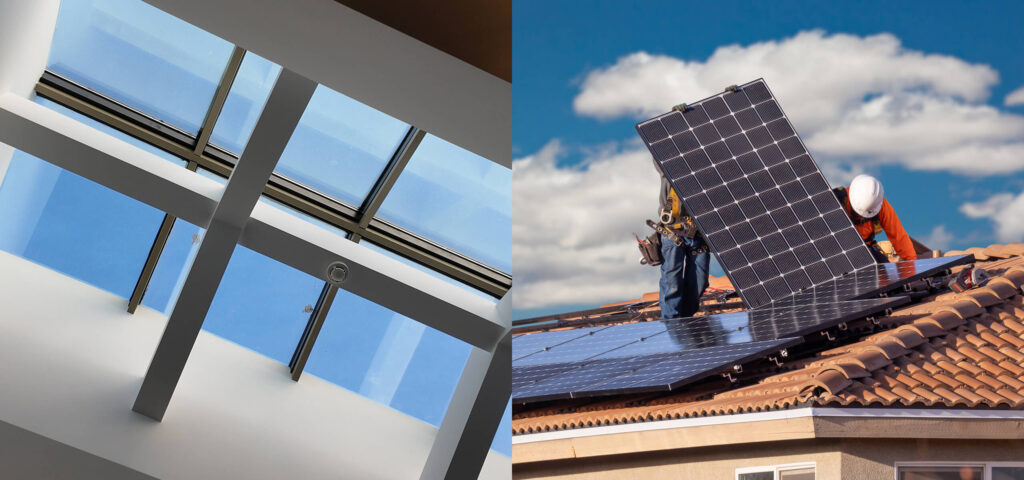
- Skylights in older homes
- Chimney flashing
- Roof-to-wall connections
- Areas where tree debris accumulates
Because Florida roofs are often slippery due to algae growth and humidity, homeowners should not climb onto the roof.
Review Gutter and Drainage Conditions
Debris-backed gutters can cause water to overflow and seep beneath shingles. This is a frequent cause of stains along exterior walls in Citrus County neighborhoods.
A licensed contractor can perform a full evaluation if interior signs suggest an active leak.
–
3. Know When a Ceiling Stain Requires Immediate Attention
Some ceiling stains indicate urgent conditions that should be addressed before the next rain event:
Stains That Expand Quickly
If the stain grows after each storm, the leak is active and worsening.
Visible Moisture or Dripping
Active water intrusion can saturate insulation and drywall rapidly, especially in humid conditions.
Dark or Multi-Ring Staining
Multiple rings often mean the ceiling has been repeatedly exposed to moisture over time.
Stains Appearing After Tropical Storms or Prolonged Rainfall
Florida’s tropical systems often reveal weaknesses that short storms do not.
Interior Stains Alongside Missing or Lifted Shingles
This combination points to a clear breach in the roofing system and typically requires timely repair.
Documenting when stains appear can also help determine whether the issue relates to specific weather events.
–
4. Why Roof Leaks Worsen Faster in Central Florida
Central Florida’s climate speeds the progression of roof leaks due to:
- High humidity that slows the drying of wet materials
- UV exposure that breaks down sealants and membranes
- Heat expansion and contraction that stresses shingles
- Algae growth that can weaken roofing components
- Salt air that reaches inland areas, contributing to corrosion
Because moisture lingers longer here than in drier regions, small leaks can develop into widespread water stain roof damage in Central Florida if left unaddressed.
–
5. What a Professional Leak Inspection Includes
A licensed roofing inspection in Central Florida generally covers:
- Reviewing shingles and flashing for wind uplift or wear
- Inspecting penetrations such as vents and skylights
- Checking attic insulation, rafters, and sheathing for moisture spread
- Evaluating gutter and valley areas for debris or blockages
- Using moisture detection tools to identify hidden leak paths
This evaluation provides clear insight into the condition of your roofing system and helps determine the appropriate next steps.
–
Florida Ceiling Stain & Leak Diagnosis Checklist
- Observed new or worsening ceiling discoloration
- Noted dampness or changes after recent storms
- Checked attic insulation for moisture
- Looked for lifted or missing shingles from the ground
- Ensured gutters are clear of oak and pine debris
- Scheduled a professional roof inspection
- Documented interior watermarks and timing
–
How Do I Know If My Leak Is Being Handled Properly?
Roof leaks in Lecanto, Crystal River, and Ocala rarely resolve on their own, especially with the amount of rain our region receives each year. With timely inspection and support from a licensed local roofer, homeowners can address leak sources before they develop into significant structural issues.
If you’re seeing roof leak signs in Lecanto or ceiling water damage in Ocala, a professional evaluation can help determine what’s causing the problem and how to prevent further damage.
Quality First Roofing provides thorough inspections and dependable guidance to help protect Central Florida homes through every season.